Step onto any farm at dawn and you’ll hear it — the chatter of sparrows, the screech of a hawk, the rustling of wings through the orchard, or a woodpecker knocking. These aren’t just background sounds; they’re the orchestra of a healthy ecosystem.
Birds play a crucial role in agriculture, acting as natural pest control, pollinators, and soil regenerators. Whether it’s barn owls keeping rodent populations in check or swallows devouring crop-damaging insects, a thriving bird population is more than a sign of biodiversity; it’s a cornerstone of resilient, regenerative farming. Yet, as industrial practices decimate habitats and disrupt natural cycles, many of these winged workers are disappearing. It’s time to rethink the relationship between farming and our feathered friends — because when birds thrive, the land follows.
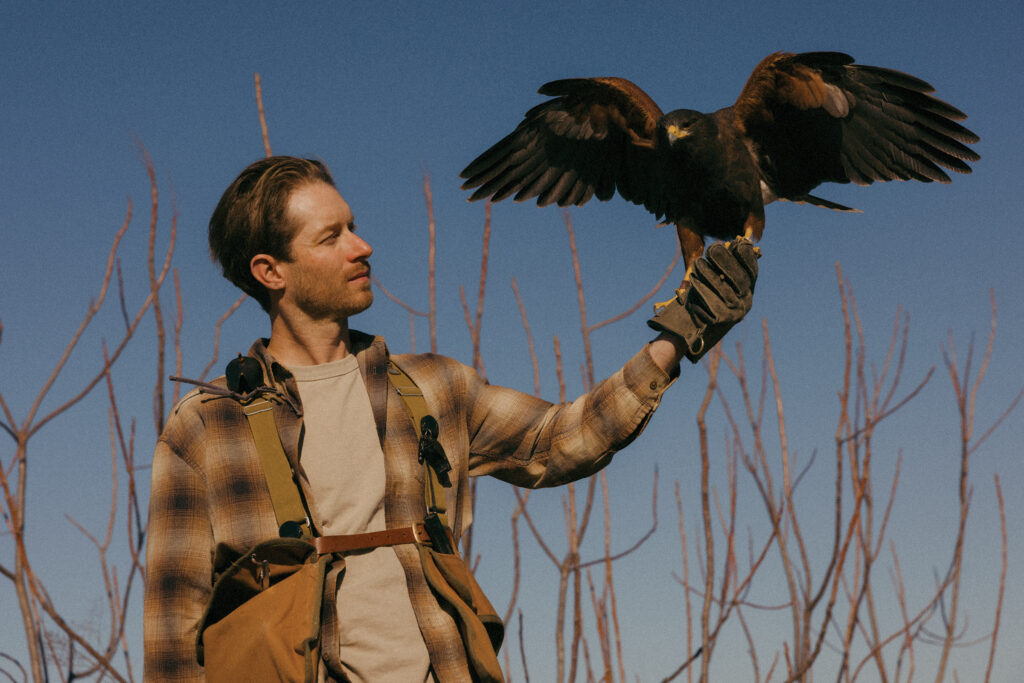
“A good example of this are woodpeckers, because they excavate these cavities,” bird biologist and falconer Adam Baz tells The Rooted Journal. “There’s a whole suite of other birds and mammals and snakes that use those cavities. So when the population of a species of woodpecker increases or declines, it almost by definition has an impact on a variety of other animals.”
For example, Baz has also closely examined songbirds: In a riparian habitat, many species dine on insects that hatch when the water is the right temperature and there are trees whose shade contributes to the right conditions. “That will mean there’s more fish. And, of course, then more birds. And when there’s more small birds, then there’s more larger birds,” he adds, alluding to a balanced food chain.
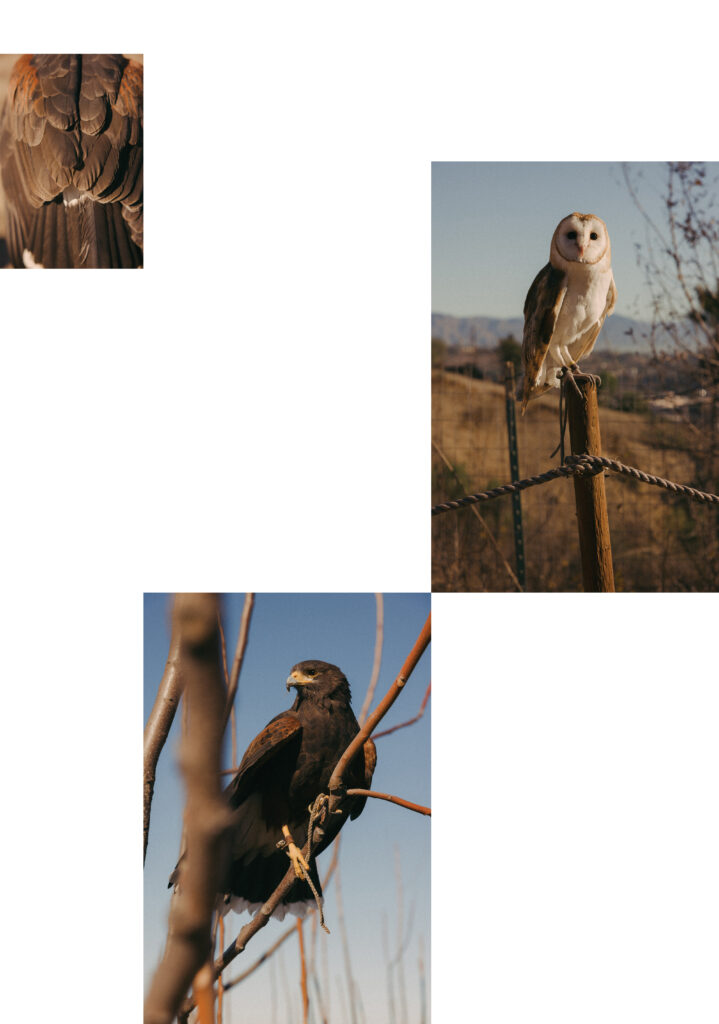
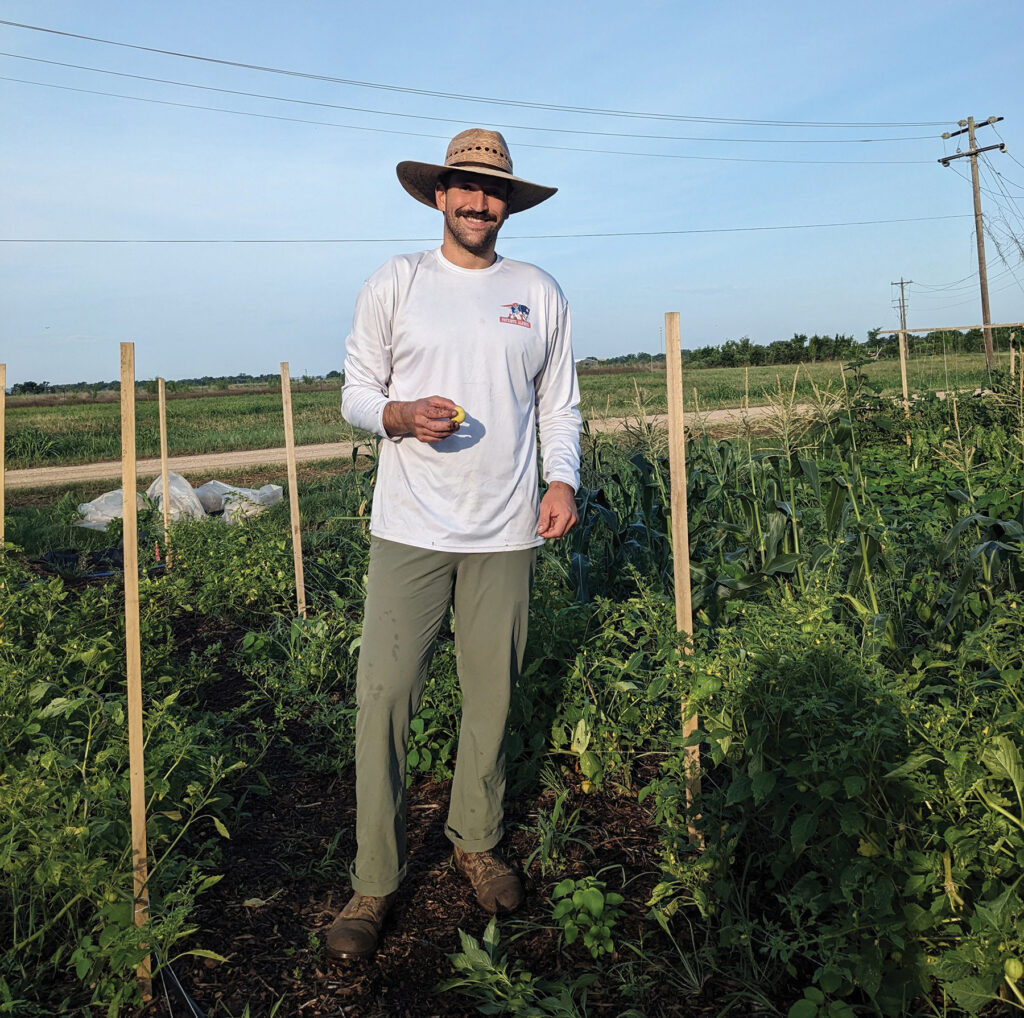
Many farms are conveniently located along the banks of rivers or streams and afforded the luxury of this symbiosis. Others committed to adopting regenerative practices have slowly restored habitats either on or near their farms, like the Nuss family in Lodi, California, who eventually saw native quail, coyotes, and deer return to their land.
“Birds don’t lie,” Baz emphasizes, saying that if a certain species doesn’t like the environment, they’ll simply fly away to find another spot to flourish. For instance, a barn owl, which often eats at least two to four mice a night, will move in only if rodent populations abound. The majestic creatures have experienced habitat loss due to urban development, but their numbers have seemingly stayed consistent from 1966 to 2021, according to the North American Breeding Bird Survey.
Farmers often refer to a barn owl as the golden egg that hatched on their land, and for good reason. “When they have babies, they often have a clutch of about four to seven birds. And the males do most of the hunting. So you’ll have a mom and a dad and five or six babies,” Baz says. “That’s eight birds that need to be fed, all of whom need several mice a night.” Often, you’ll see farmers perch a few owl boxes around a property to attract this beneficial predator with a safe place to nest.
Baz’s falconer practice is a direct result of human intervention. While his work spans various forms of invasive bird abatement by flying trained birds of prey to control unwanted flocks, it’s impossible to ignore the link between urban sprawl and farmland that is continuously tilled and converted to monoculture. With roughly 440 million acres in the United States dedicated to single-crop farming, these landscapes eliminate diverse habitats, forcing a greater reliance on pesticides and herbicides to replace natural predators.
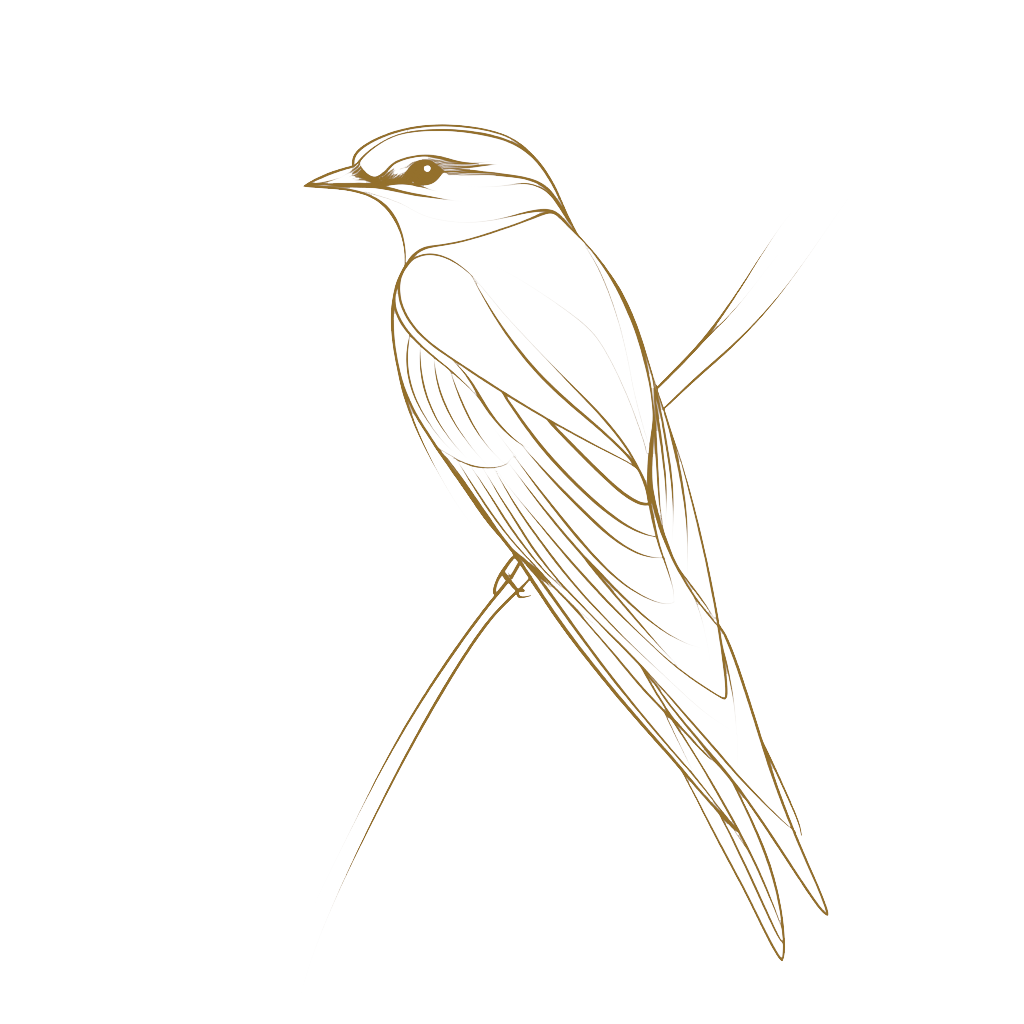
The Insect Assassins
Swallows, particularly barn and tree swallows, are insatiable insect eaters. They feast on flies, mosquitoes, and crop-damaging pests like aphids and caterpillars. When regenerative farms prioritize hedgerows, native grasses, and water sources, these aerial acrobats return in force, reducing the need for chemical pesticides, a massive impact on farm health.
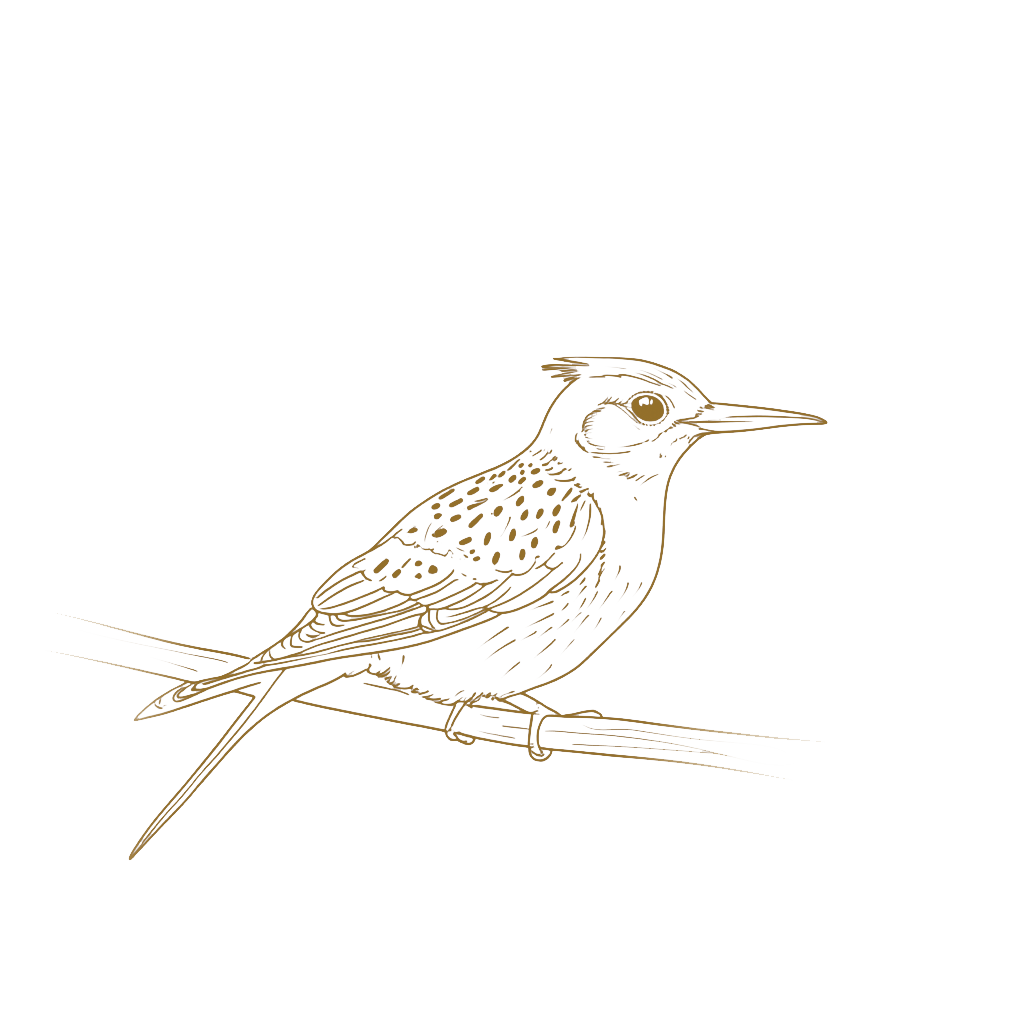
The Soil Builders
These ground-foraging woodpeckers play a critical role in pest control and soil health. They rummage into the earth for ants and beetle larvae, aerating compacted soil in the process. Their presence indicates a balanced ecosystem where tree cover, deadwood, and insect populations are thriving — all hallmarks of regenerative land management. By restoring habitat diversity, farmers welcome these feathered allies back to their land, proving that a healthy farm is one where nature does the heavy lifting.
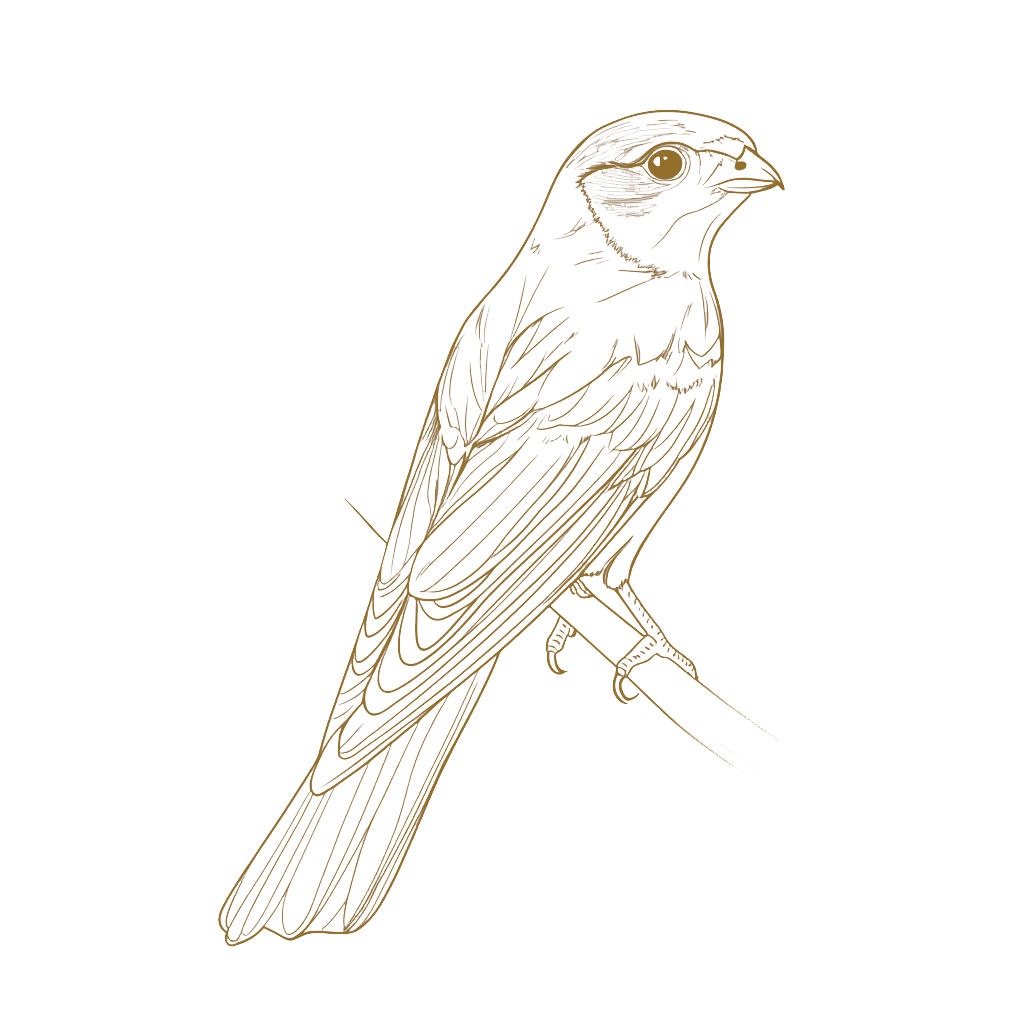
The Precision Predators
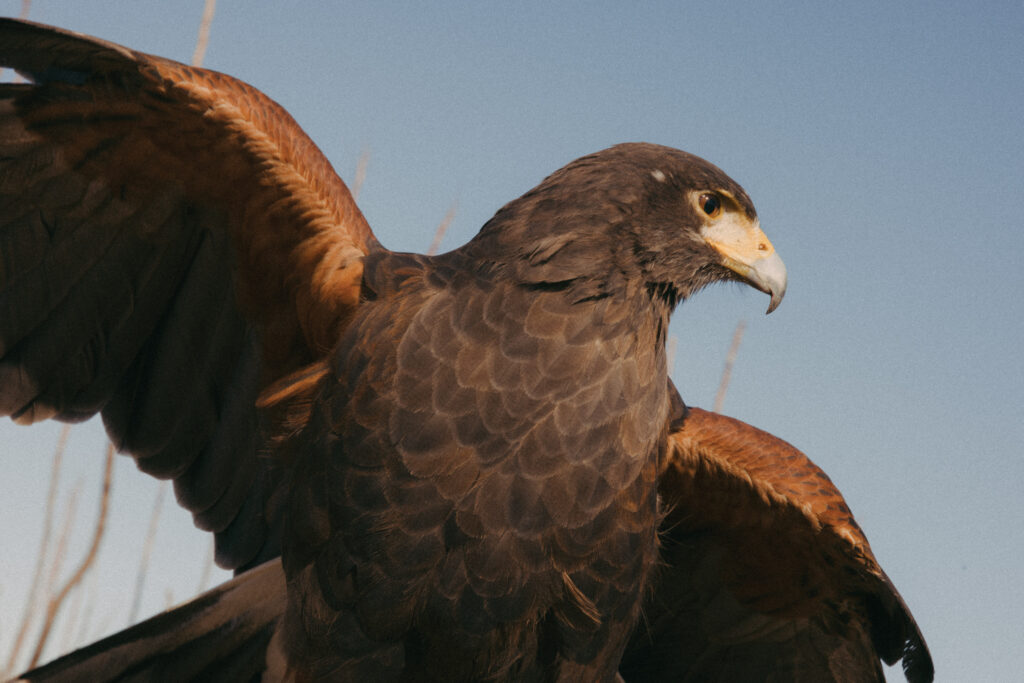
Often called “sparrow hawks,” kestrels are tiny but mighty raptors that help control destructive insect and small rodent populations. They feast on grasshoppers, beetles, voles, and even invasive starlings, making them a key player in a balanced farm ecosystem. Regenerative areas that incorporate native grasses, perches, and nest boxes create prime kestrel habitat, allowing these sharp-eyed hunters to thrive while reducing the need for chemical pest control. With their speed, agility, and appetite for pests, kestrels prove that even the smallest falcons can have a massive impact on farm health.
As our population grows, housing and high-yield farming remain necessities. Managing vast fields of corn or soybeans may seem like an efficient way to feed people, but at what cost? The system is broken, and Baz sees it firsthand. By stripping away natural habitats, monocultures invite opportunistic species like pigeons and crows, creating an ironic cycle — one that requires falconers like Baz to mimic the natural world, flying hawks and falcons to control the very birds drawn to these disrupted ecosystems.
“These problems that monocrop farms have, they just wouldn’t exist in a regenerative farming setting,” he says. “When you clear a landscape and concentrate one resource, you’re bound to attract species that thrive on that single food source. That can create a huge problem.”
As regenerative farming gains momentum — blending traditional ecological wisdom with modern science — growers are finding new ways to measure success. One of the clearest signs? The return of birds. A thriving avian population isn’t just a marker of biodiversity, it’s a farmer’s best ally.