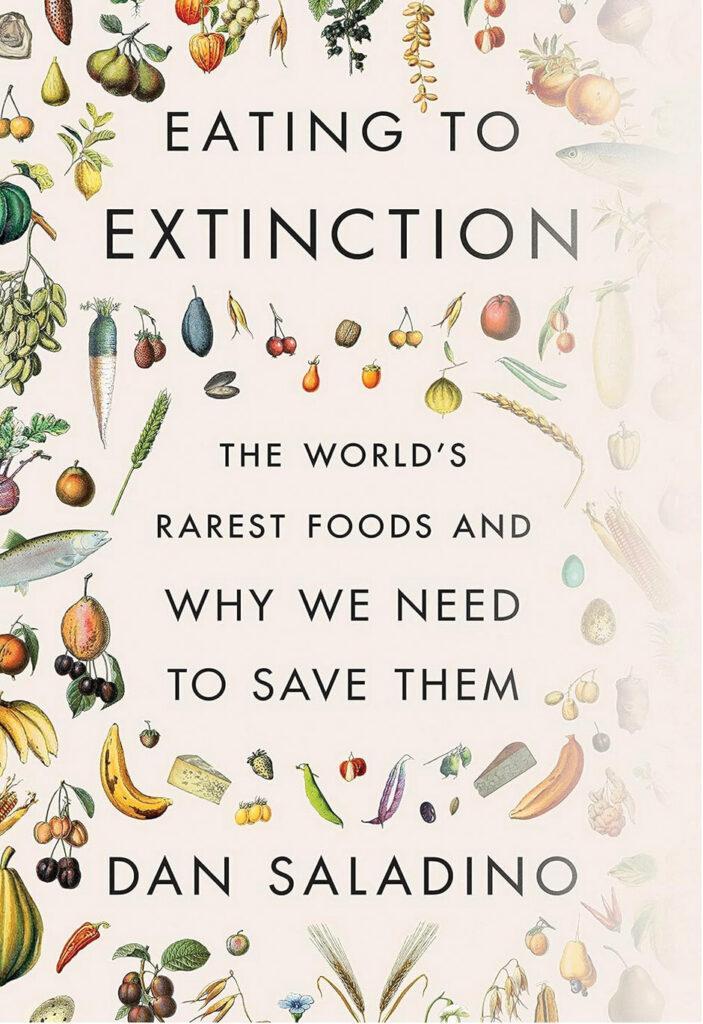
Journalist Dan Saladino, with over 25 years at the BBC, dedicated a decade to researching vanishing foods from our ecosystems. Astonishingly, he discovered that we get most of our calories from just three crops: rice, wheat, and corn — a stark contrast to the roughly 6,000 plants humans consume. Despite the alarming homogeneity of our global food system, Saladino offers a glimmer of hope for a more diverse future.
Dan Saladino
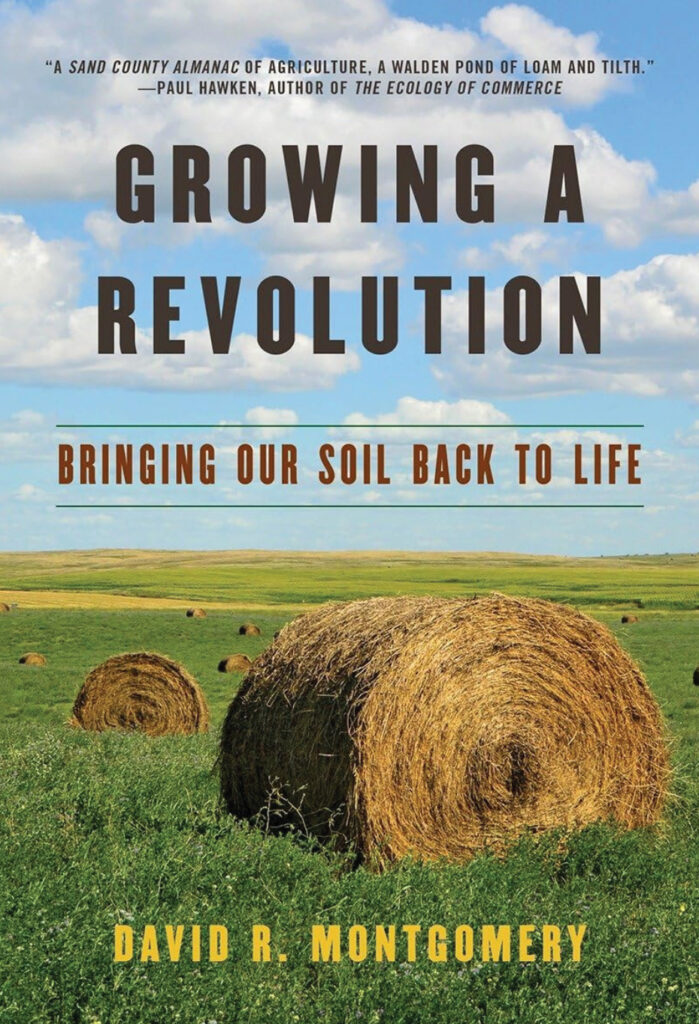
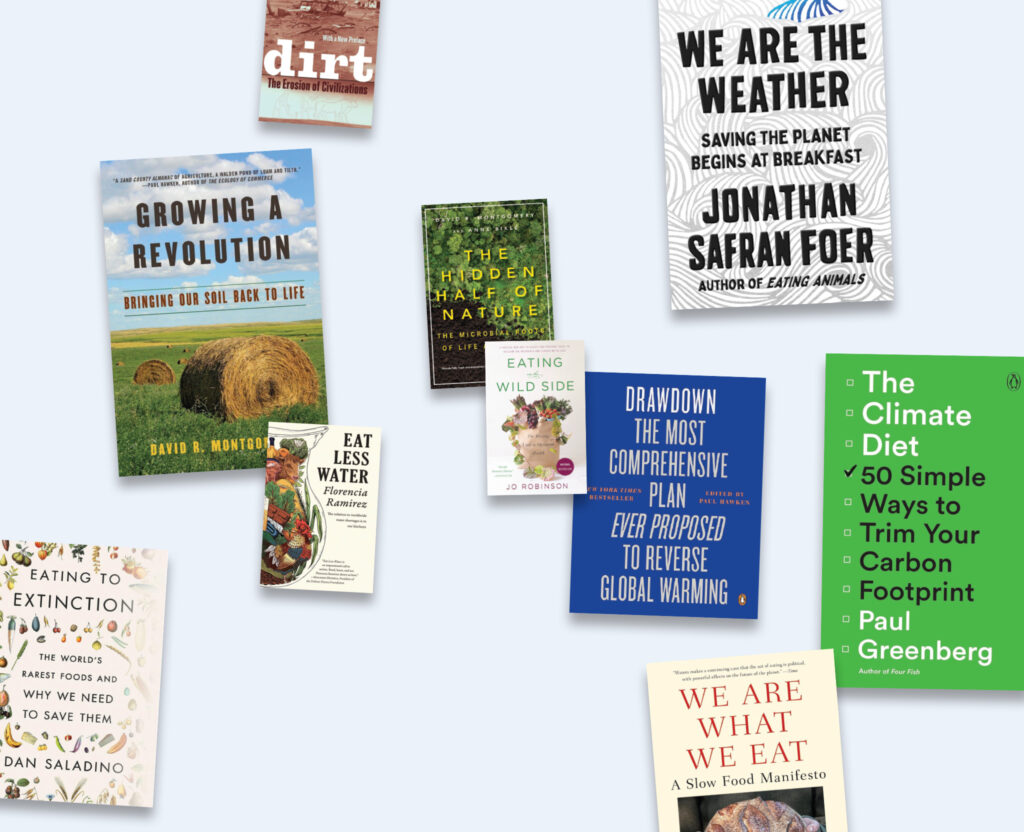
In “Growing a Revolution: Bringing Our Soil Back to Life,” Montgomery explores innovative farming practices that rejuvenate soil health and agricultural productivity. Montgomery travels the globe to showcase successful regenerative agriculture methods that enhance soil biodiversity, water retention, and carbon sequestration. Beyond that, it offers hope for the future, and emphasizes the transformative potential of healthy soil for both farmers and the environment.
David R. Montgomery
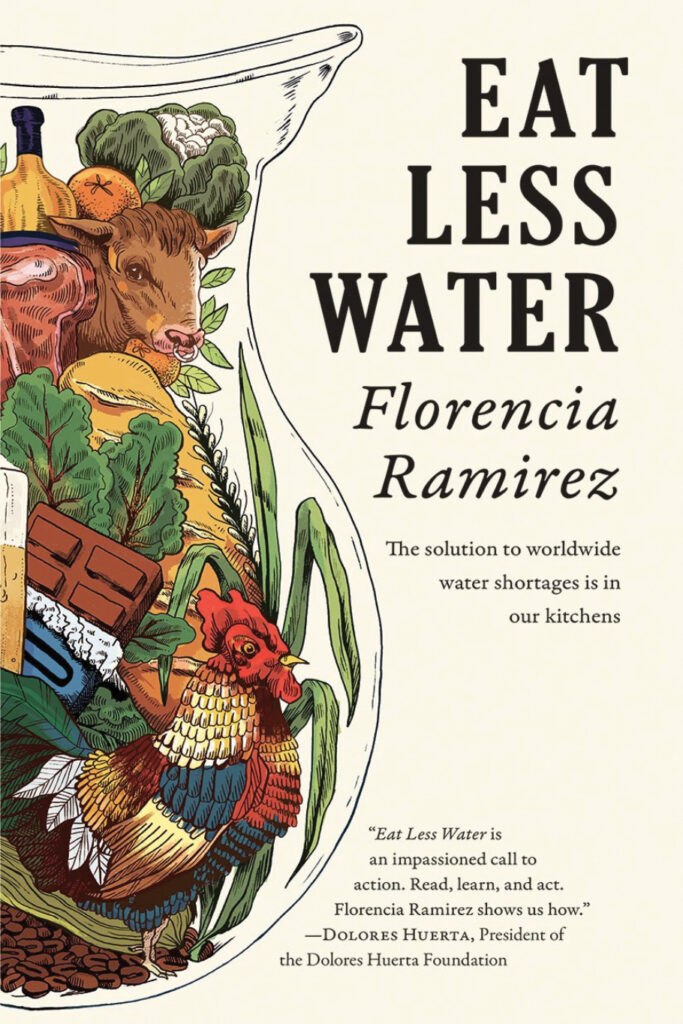
“Eat Less Water” explores the hidden water footprint of our everyday food choices and how our diets impact water resources on a global scale. Ramirez investigates how water-intensive foods can contribute to environmental strain, offering practical, relevant strategies for everyone to reduce their water consumption through mindful eating habits.
Florencia Ramirez
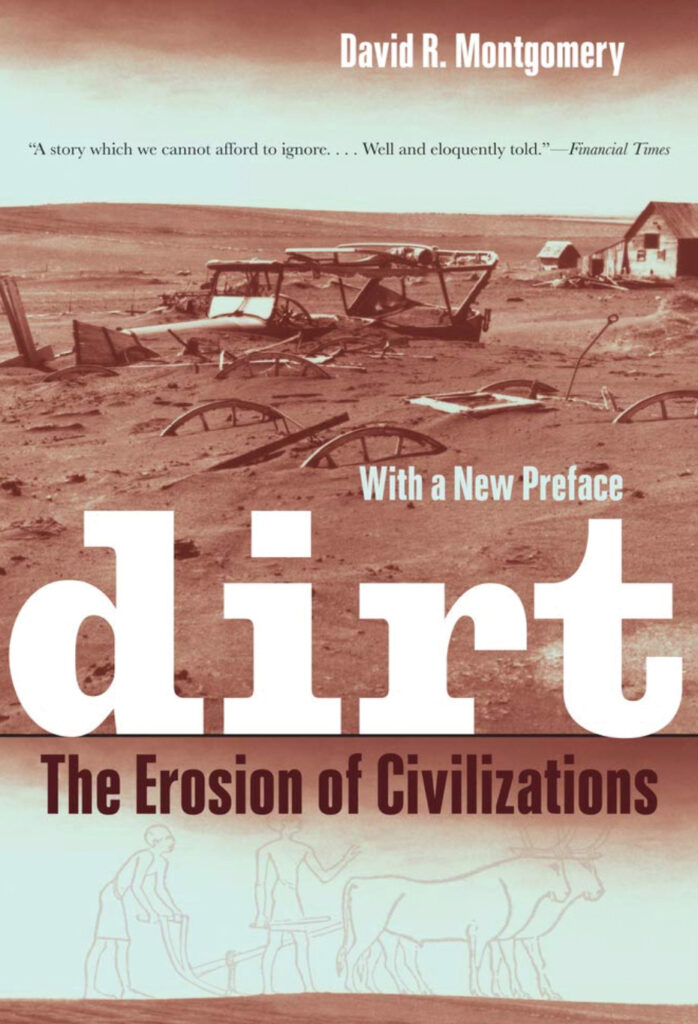
Montgomery’s “Dirt: The Erosion of Civilizations” is a deep dive into the pivotal role of soil in shaping human history and civilization. Montgomery writes about how soil degradation has contributed to the downfall of societies throughout time, from ancient Mesopotamia to modern agriculture. According to Montgomery, we’re literally running out of dirt, and we’re in desperate need for better soil management to ensure food security and environmental stability.
David R. Montgomery
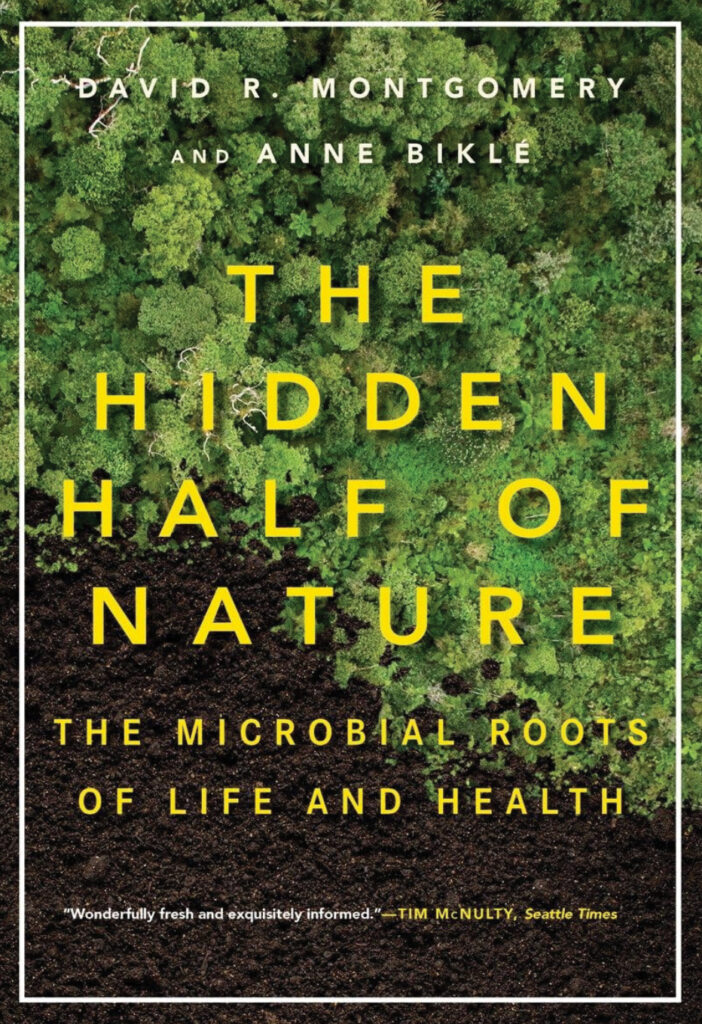
Montgomery and Biklé take a fascinating journey into the intricate and essential (and often invisible) role of microbes in soil and human health. Through a captivating narrative that intertwines personal experiences with scientific discoveries, we learn how microbial communities shape our environment and immune systems. On top of that, it illuminates the profound connections between healthy soils, diverse gut microbiota, and overall well-being for both humans and the planet.
David R. Montgomery & Anne Biklé
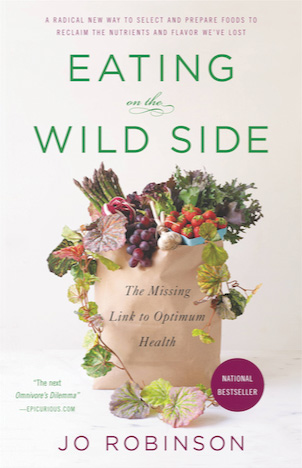
In this comprehensive guide to reclaiming the lost nutrients and flavors in modern fruits and vegetables, Robinson argues that our cave-loving ancestors gathered wild plants that were far healthier than the stuff we buy today. Although nutritional content has slowly declined over time, Robinson argues, there’s still cause for optimism, as the author offers practical tips and insights on selecting, storing, and preparing fruits and vegetables to maximize their health benefits.
Jo Robinson
In this book, you’ll find practical strategies that can collectively reduce greenhouse-gas emissions and sequester atmospheric CO2. Hawken’s work offers a hopeful roadmap for policymakers, businesses, and individuals alike to actively engage in the fight against climate change through scalable and impactful solutions.
Paul Hawken
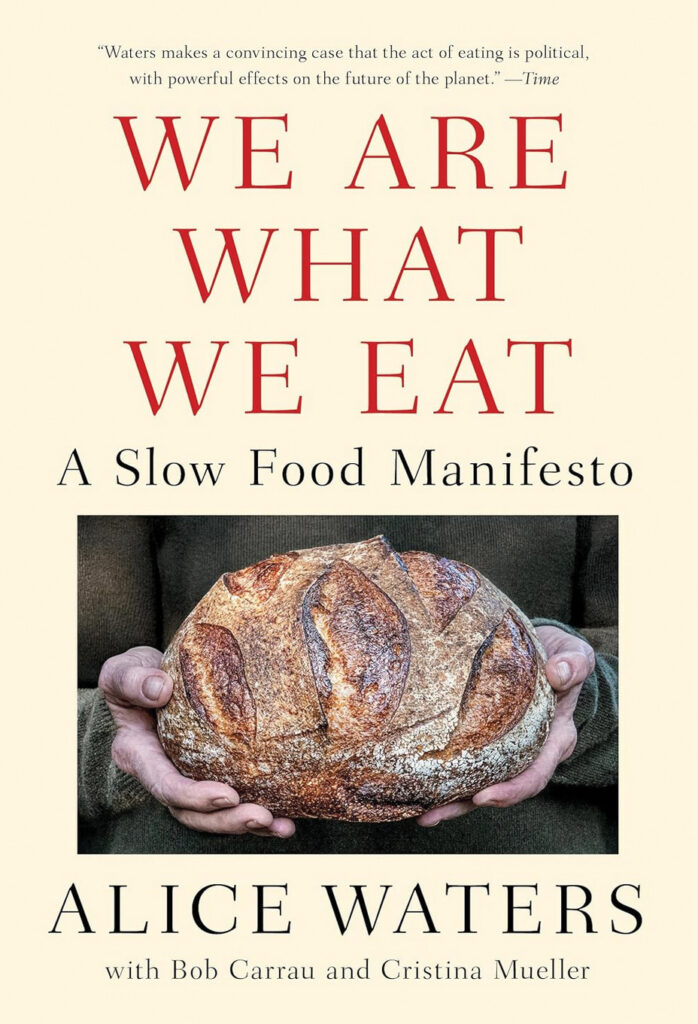
As a champion for the Slow Food movement, Waters advocates for locally sourced, seasonal ingredients that support community, biodiversity, and health. Additionally, the book inspires readers to cultivate a deeper connection to food, emphasizing the joy of cooking and sharing meals with your friends and family.
Alice Waters
In this powerful memoir, Foer argues that individual dietary choices can have a profound impact on combating climate change. Backed by data, he probes the environmental consequences of animal agriculture and challenges readers to adopt a more plant-based diet. For Foer, breakfast isn’t just the most important meal of the day — it’s the most important meal for our planet. Simply put, your French toast will never be the same.
Jonathan Safran Foer
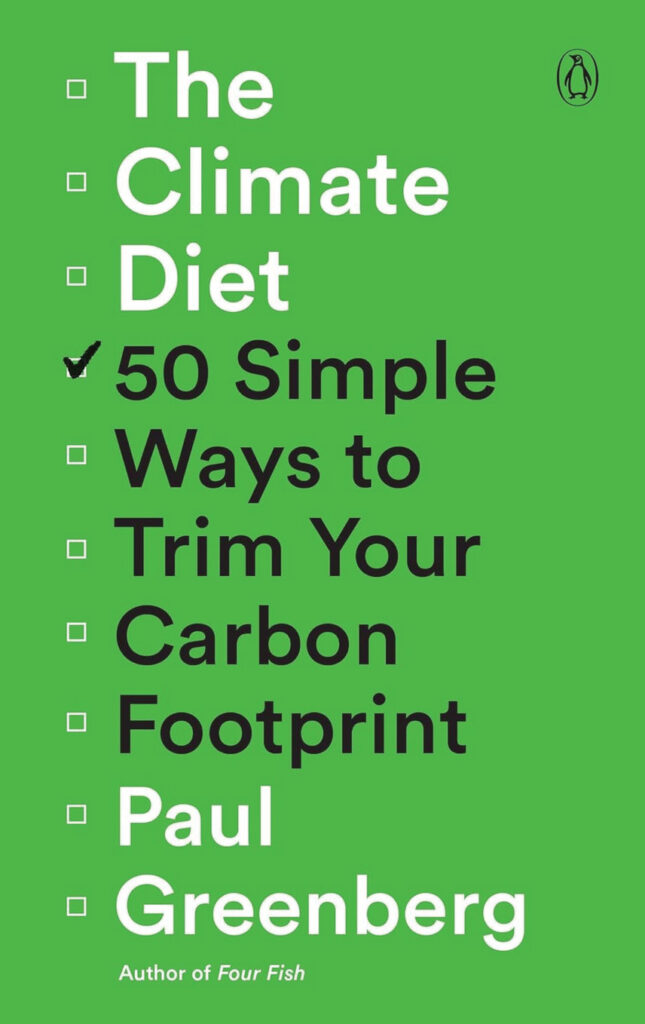
Hungry for new strategies to reduce your carbon footprint? In “The Climate Diet,” Greenberg offers 50 tips to do just that with a focus on the everyday choices we make. The book empowers readers with concise, actionable steps to mitigate climate change through conscious consumption and lifestyle changes. With small-scale efforts, Greenberg proves that all of us can easily and effectively make a positive impact on the planet.
Paul Greenberg
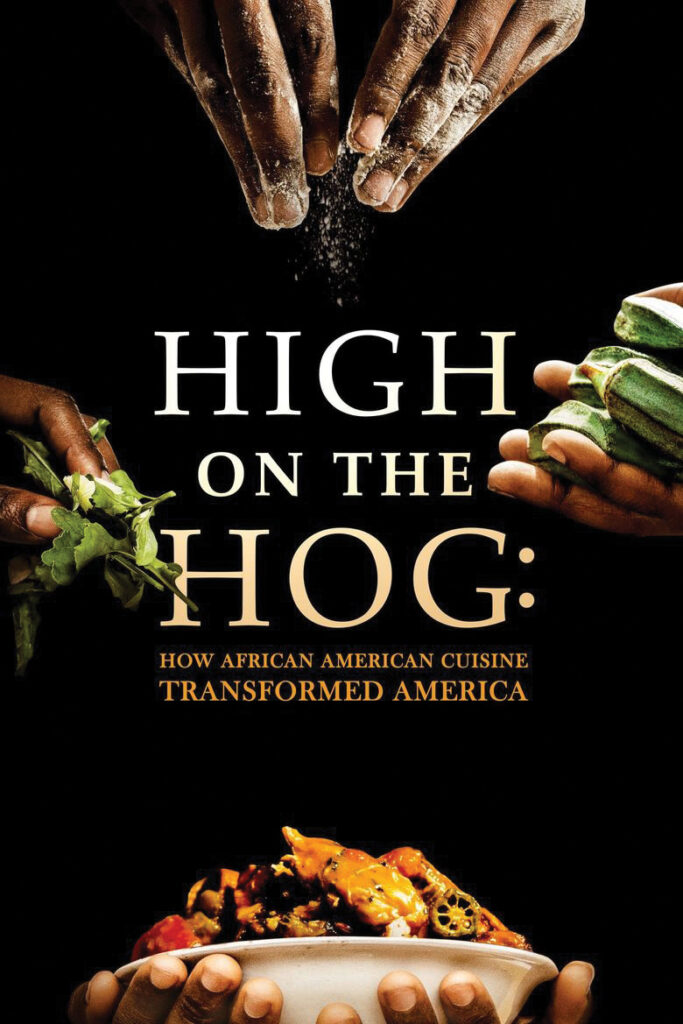
In this Netflix documentary series, food writer Stephen Satterfield explores the profound impact of African-American culinary traditions on American culture and cuisine. It’s a joyful (and delicious) combination of travel show and history show, highlighting the resilience and creativity of Black chefs and food — which is inherently American food.
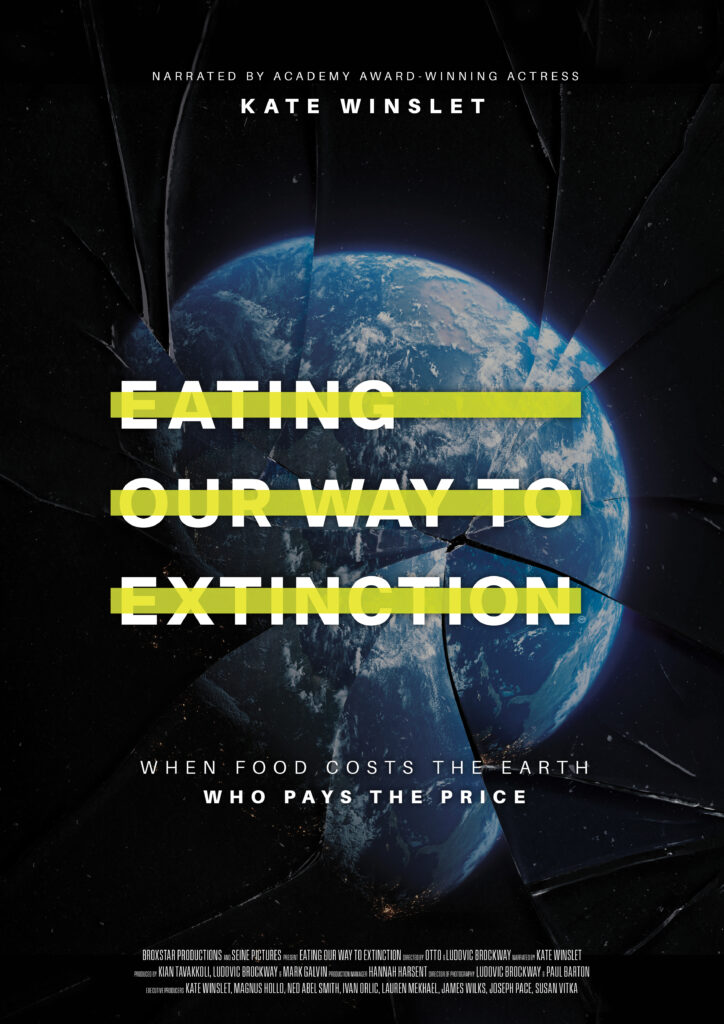
Narrated by Kate Winslet, this powerful documentary exposes the devastating environmental and ethical impacts of industrial animal agriculture. It takes a hard look at the effect of our food choices on the planet, urging viewers to consider a plant-based diet and take steps toward a brighter food future.
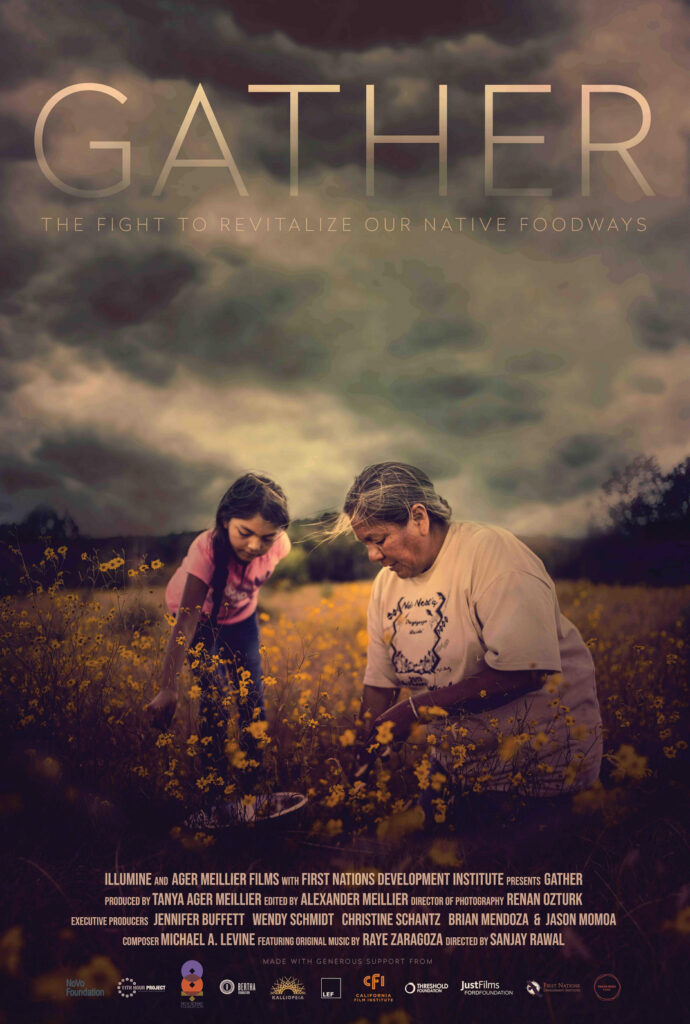
This documentary directed by Sanjay Rawal describes itself as “an intimate portrait of the growing movement amongst Native Americans to reclaim their spiritual, political, and cultural identities through food sovereignty.” The film highlights individuals like Nephi Craig from Arizona, who runs an Indigenous cafe to promote nutritional recovery, and Elsie DuBray from the Cheyenne River Sioux Nation in South Dakota, who explores the deep connection between bison and Native food systems. The sacred Klamath River also gets a spotlight, thanks to the Ancestral Guard, an activist group from the Yurok Nation.
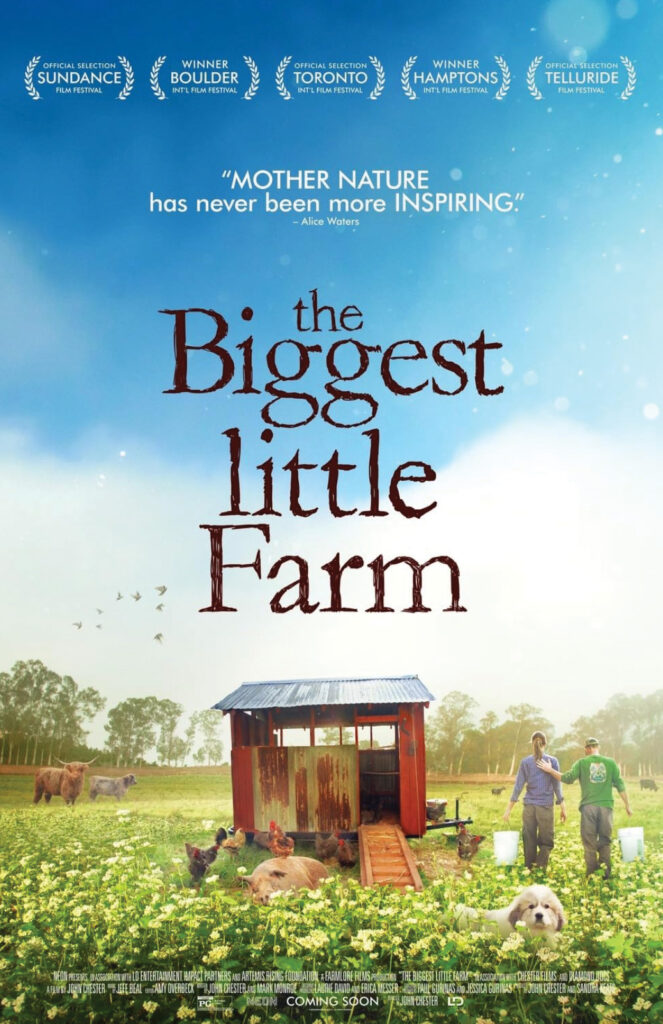
What happens when you leave the city to start your own farm? This captivating film follows husband-and-wife John and Molly Chester as they ditch their Los Angeles apartment for 200 acres of land in Moorpark, California — and shows how they navigate all the trials and victories that come with the lifestyle change. It’s a beautiful story of love and endurance that’s sure to give anyone a newfound respect for regenerative farming.
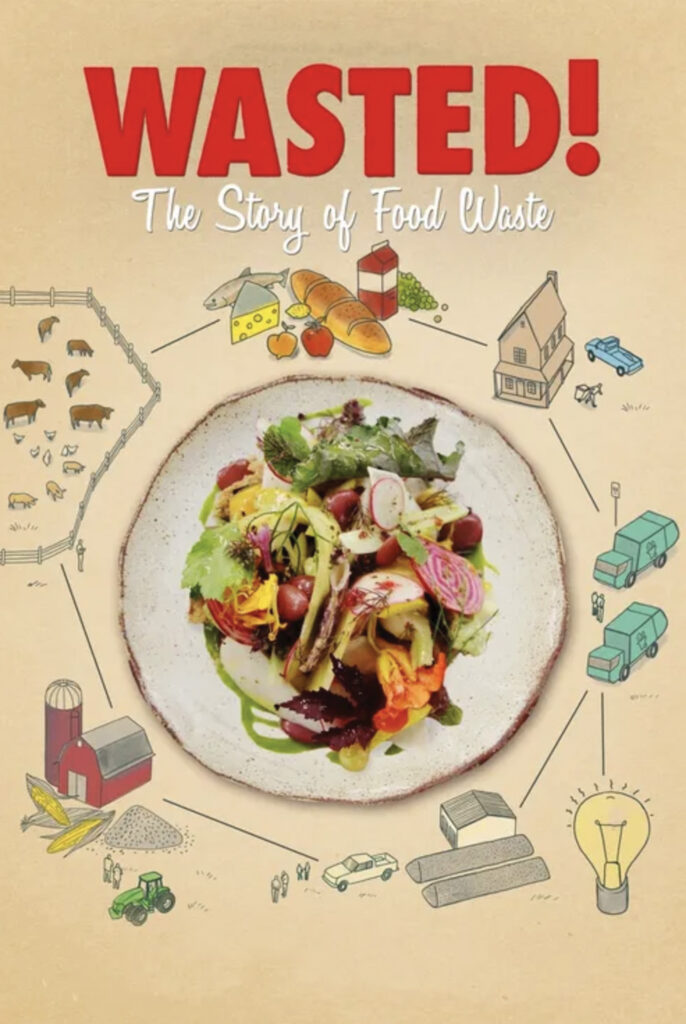
This thoroughly compelling and highly entertaining film, produced by the late Anthony Bourdain, addresses the 1.2 billion tons of food that end up going to waste each year and offers solutions to the issue. The documentary offers a fresh lens on food scraps and how we can turn them into incredible dishes. Remember, one man’s trash can be another’s tartare.
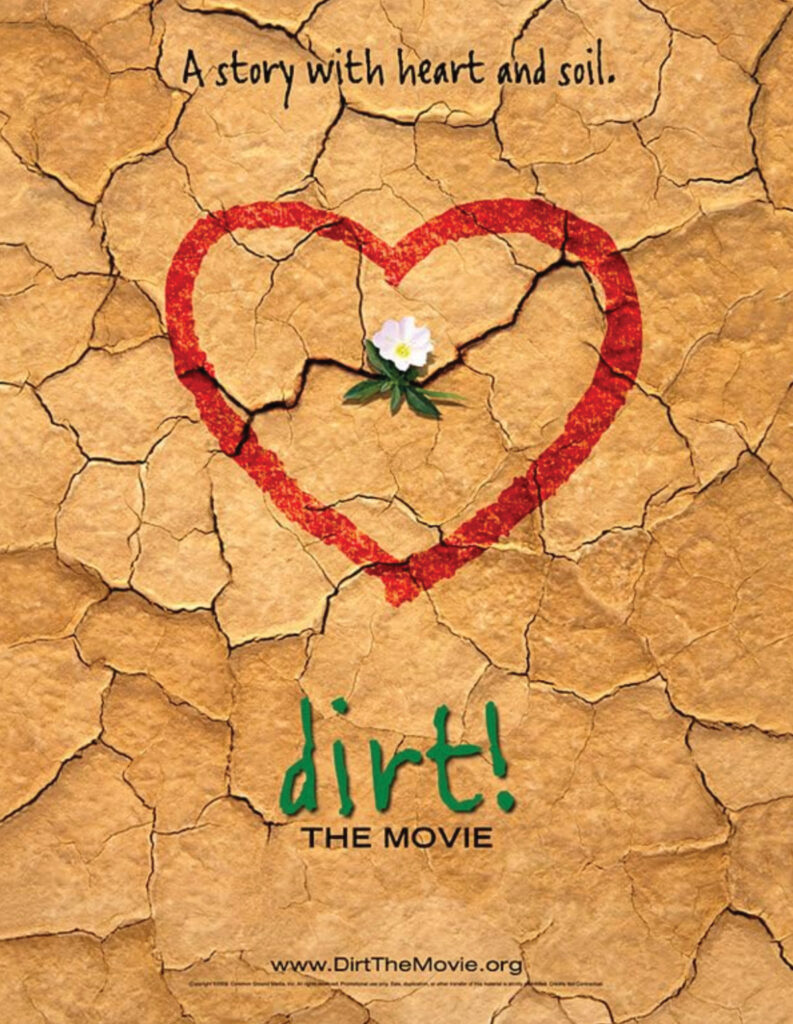
Directed by filmmakers Gene Rosow and Bill Benenson, “Dirt!” is all about the relationship between humans and soil — specifically exploring the environmental and social consequences of its degradation. Through compelling stories, interviews, and humor, it emphasizes the urgent need to restore and protect our dirtiest resource. And the narration from Jamie Lee Curtis doesn’t hurt, either.
Hard truth: Over 828 million people go hungry each year. Fueled by a vision of food sovereignty for all, the nonprofit A Growing Culture is on a mission to reclaim agency over our foodways through a series of projects and events focused on supporting seed savers as well as indigenous and peasant communities.
agrowingculture.org
Founded in 2006 by members of the Miakan/Garza Band, the Indigenous Cultures Institute helps those with indigenous roots in Texas and New Mexico connect to lessons from their heritage to “survive and thrive.”
indigenouscultures.org
Alexis Nikole Nelson
Alexis Nikole Nelson, aka “The Black Forager,” takes urban foraging to the next level with fun videos, a big smile, and a plethora of delicious recipe ideas — like her dandelion wine and milkweed cordial. While playful and entertaining, her videos also encourage everyone to just go explore their backyard, because you never know what you might find. Just ask her 4.5 million TikTok followers.
tiktok.com/@alexisnikole
As global populations swell, our foods haven’t evolved in tandem. The Ark of Taste draws attention to a list of what it calls “edible treasures” to bring more diversity to our tables. By preserving and celebrating these unique foods, we can ensure a richer, more sustainable future for our food systems.
slowfoodusa.org/ark-of-taste
This vegan nonprofit focused on food justice was founded in 2007 with a mission to promote healthier nutrition while raising awareness of the issues embattling our food system. The organization aims to educate people around animal abuse, dwindling resources, and poor conditions for farm laborers to make smarter consumption choices and even grow their own produce.
foodispower.org