Longer Ignore
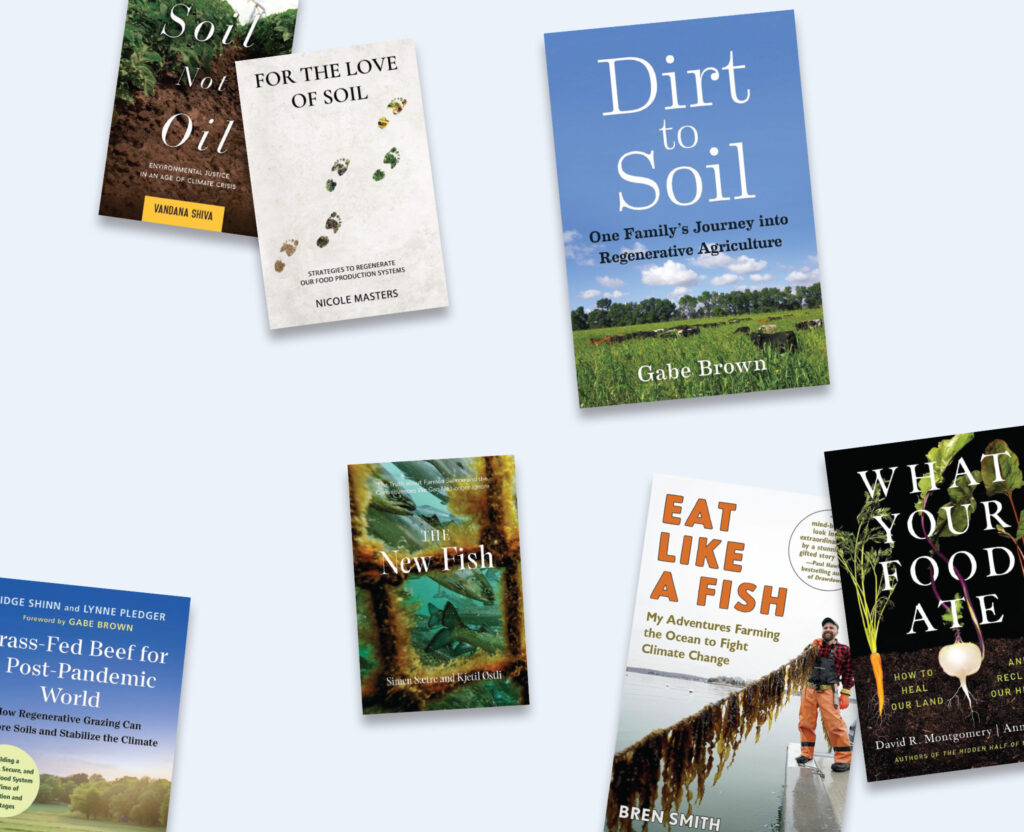
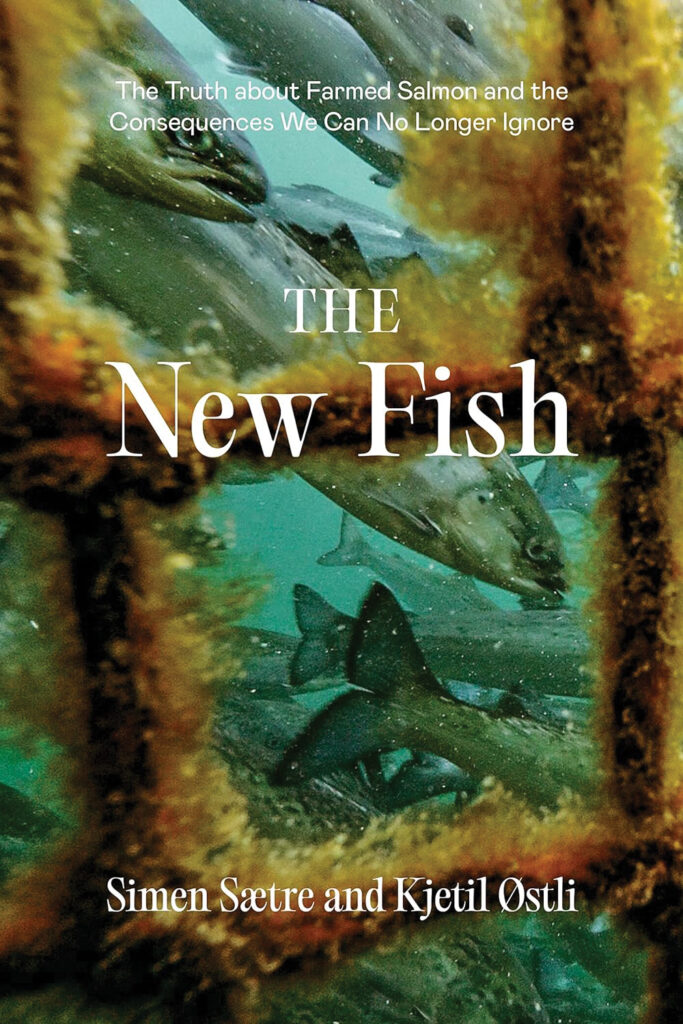
Farmed salmon is cheap, delicious, and available in most any grocery store — and if you’ve ever wondered if it was too good to be true, trust your instincts. In the eye-opening book “The New Fish,” authors Sætre and Østli wade into the deep, dark waters of Big Salmon, from its start as a food fad in 1970s Norway to the global mess it’s become — and how it can be mitigated. The result of a five-year investigation, this well-written tome will make you think twice the next time you want to toss some lox on that bagel.
Simen Sætre & Kjetil Østli
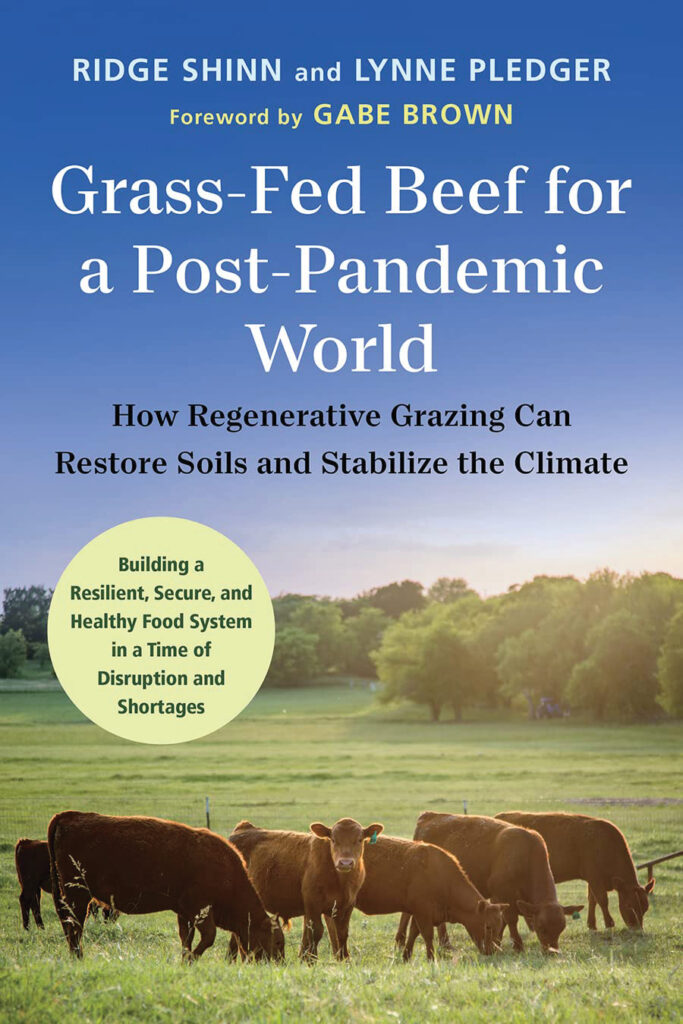
Say what you will about the environmental drawbacks of a carnivorous diet, but one thing becomes clear after reading the highly informative “Grass-Fed Beef for a Post-Pandemic World”: The problem isn’t the meat on our plates; it’s the way the meat was raised. More specifically, how or if it grazed. This comprehensive resource is for anyone looking to understand whether farmers and ranchers can raise cattle while maintaining a healthy and harmonious environment.
Ridge Shinn & Lynne Pledger
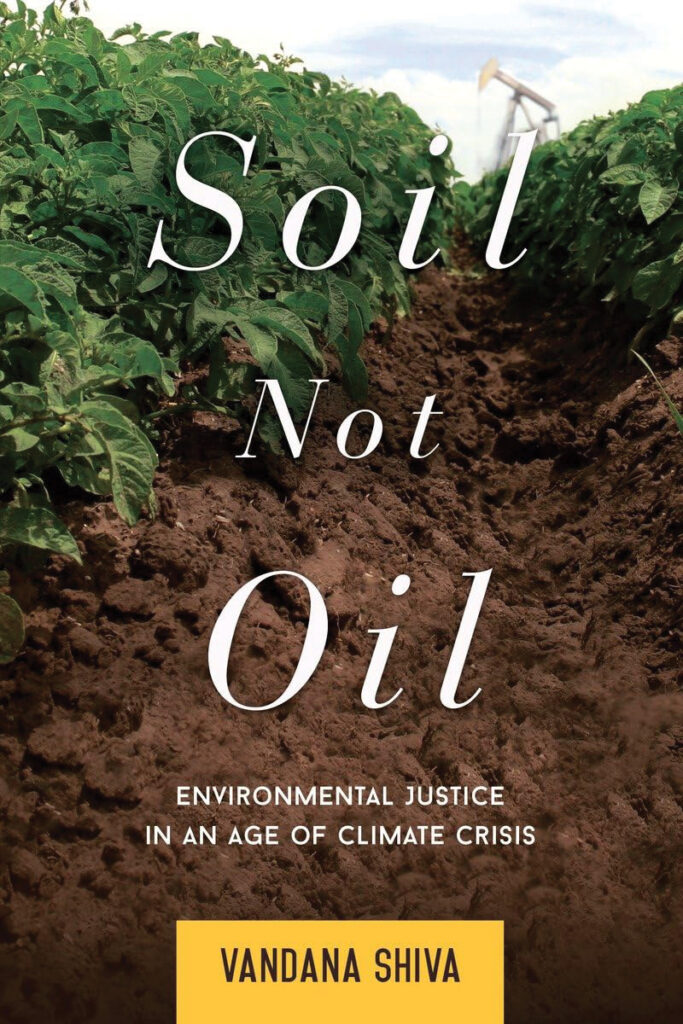
Some people downplay the effects of climate change, but physicist, environmental activist, and award-winning author Vandana Shiva does not mince words. In “Soil Not Oil,” Shiva delivers a sobering warning, outlining how our dependency on fossil fuels and industrial agriculture is unquestioningly altering our planet. Fortunately, she offers epically well-researched and creative solutions to organize independent farmers and help communities grow the right way. Spoiler: It’s with methods indigenous peoples have used for ages.
Vandana Shiva
In the very readable “For the Love of Soil,” author and agroecologist Nicole Masters suggests we should be looking down, not up — as governments spend zillions to occupy Mars, “there is a whole world below our feet, begging to be explored.” The book is a solid road map, guided by her experiences around the world, to implementing a soil-first approach in regenerating ecosystems.
Nicole Masters
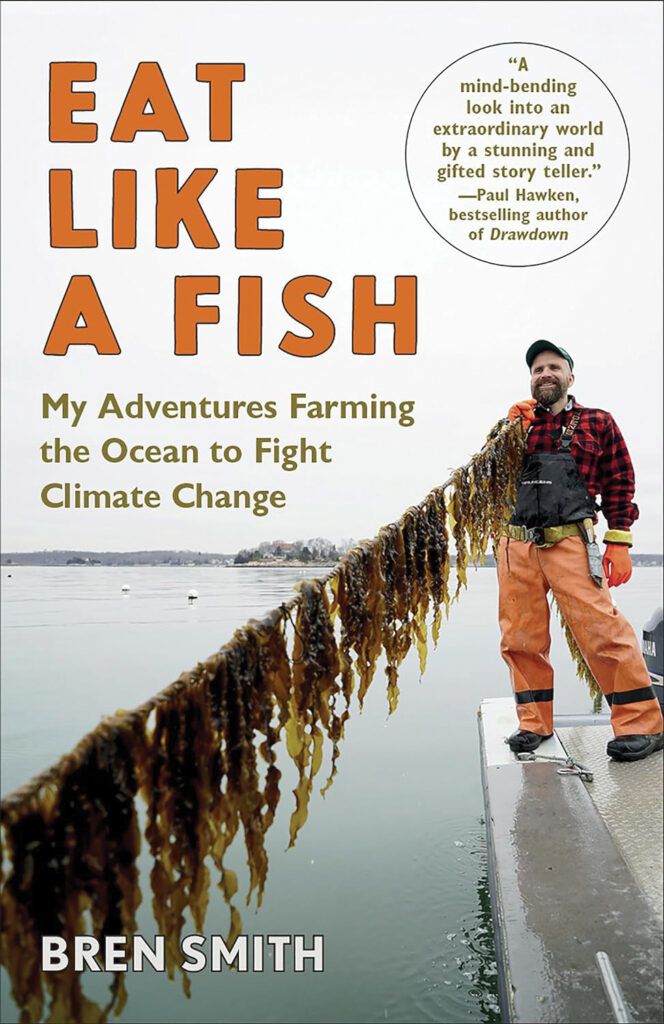
Some of the best-told stories are born from personal experience. Such is the case with author and former commercial fisherman Bren Smith’s James Beard Award–winning climate memoir, “Eat Like a Fish.” Doing a 180 from his days on eco-unfriendly trawler boats, Smith has become an advocate for regenerative ocean agriculture. Here, he outlines how this practice could help solve our global climate crisis. Perhaps the best part about this read is Smith’s unabashedly authentic voice (swear words and all), like an old angler telling you tales in a warm harbor pub.
Bren Smith
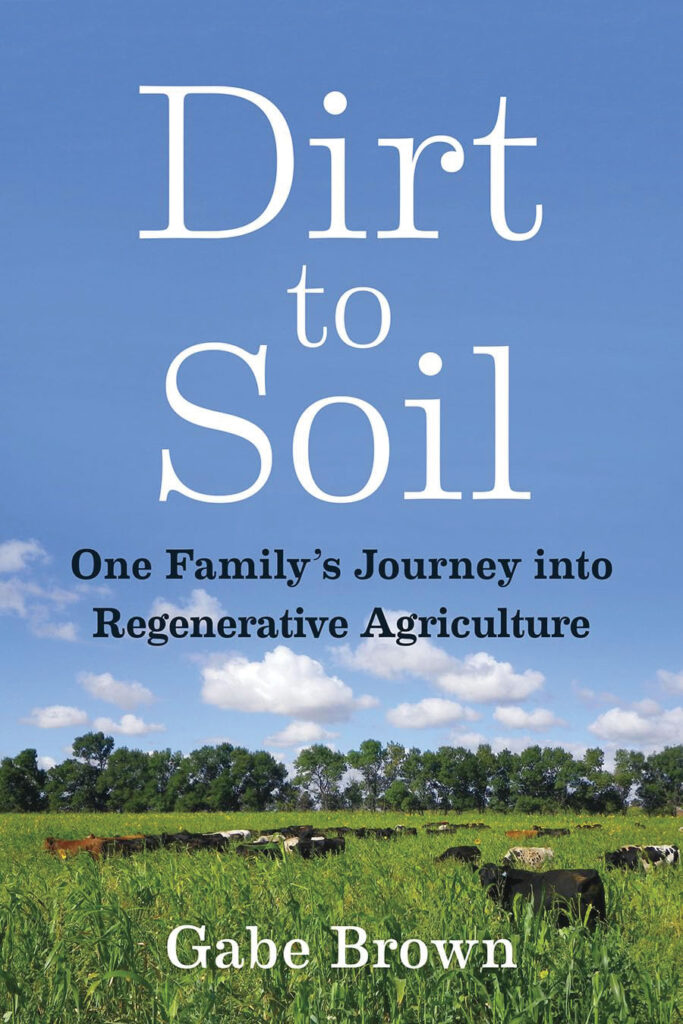
It’s funny how the best way forward can reveal itself when you’re fresh out of options. That was the situation for farmer Gabe Brown, author of the renowned “Dirt to Soil,” which is deemed by many as the definitive read on regenerative agriculture. After Brown, who is also featured in the popular Netflix documentary “Kiss the Ground,” made the choice to forgo conventional agricultural methods like tilling, herbicides, insecticides, and synthetic fertilizers, the results were astounding. “Dirt to Soil” is one of those rare occurrences where the farmer tells their own (success) story.
Gabe Brown
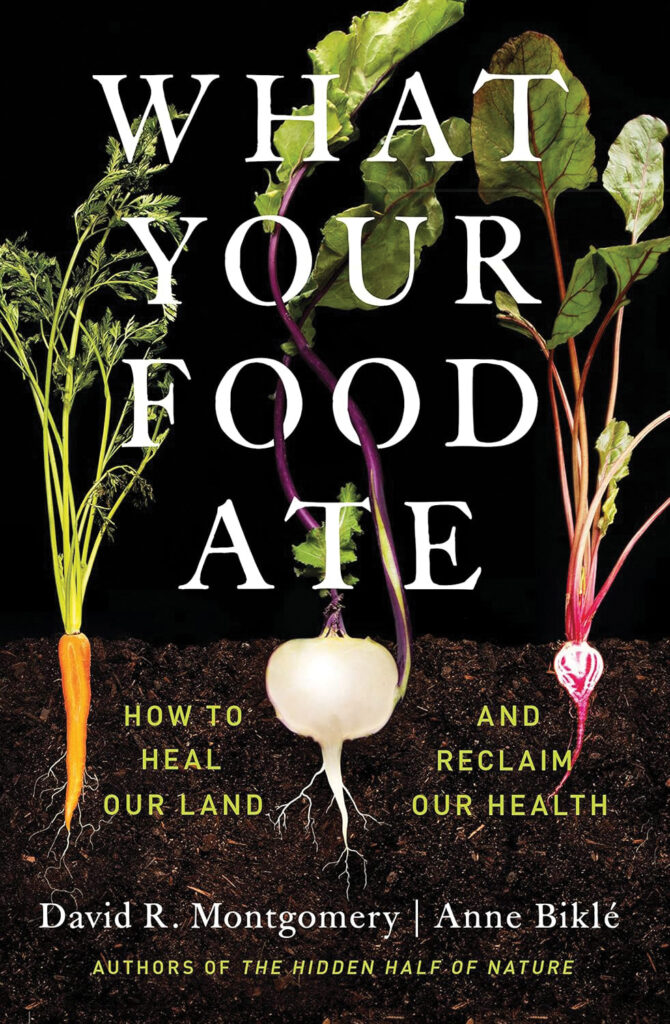
If “you are what you eat,” as the saying goes, then what did your food eat? Montgomery and Biklé, authors of the stunningly comprehensive “What Your Food Ate,” get to the bottom of just that. Examining the human diet and the nutrients found in food grown or grazed in healthy soil, this book is a tour de force and a must-read for farmers, ranchers, scientists, and eaters alike.
David R. Montgomery & Anne Biklé
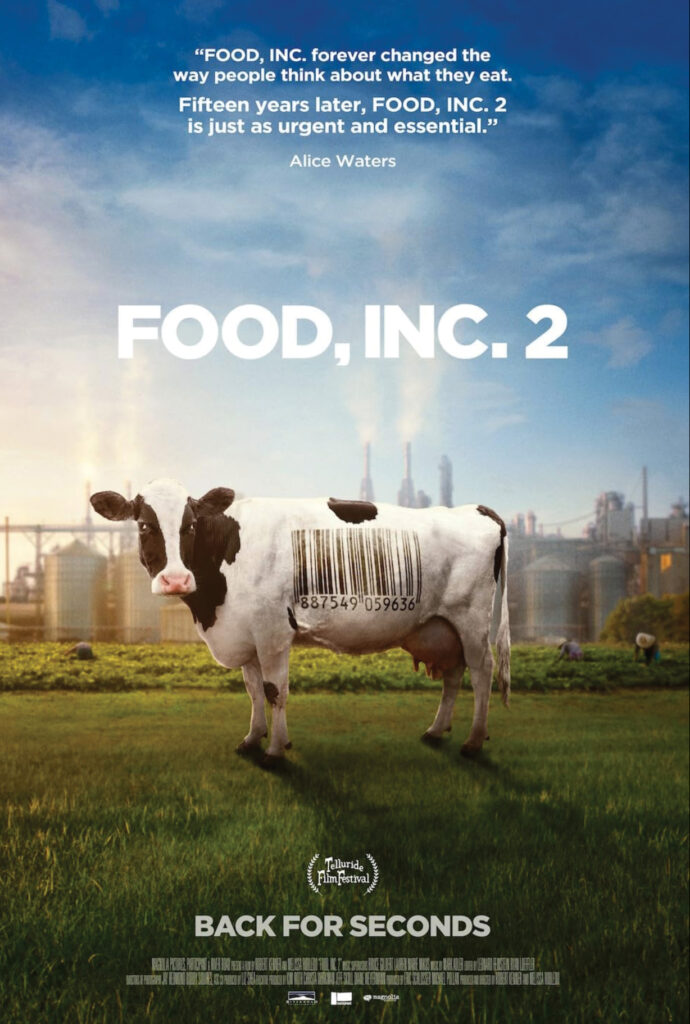
The eye-opening, Oscar-nominated, Emmy Award–winning 2008 documentary “Food, Inc.” is a tough act to follow, but this sequel does a darn good job by examining multinational corporations’ stranglehold on our food system. While the first film is chock-full of revelations, what really shines through in “Food, Inc. 2” is the particularly human attention it pays to the workers and farmers affected by the system — and the programs and activism that are building a healthier future.
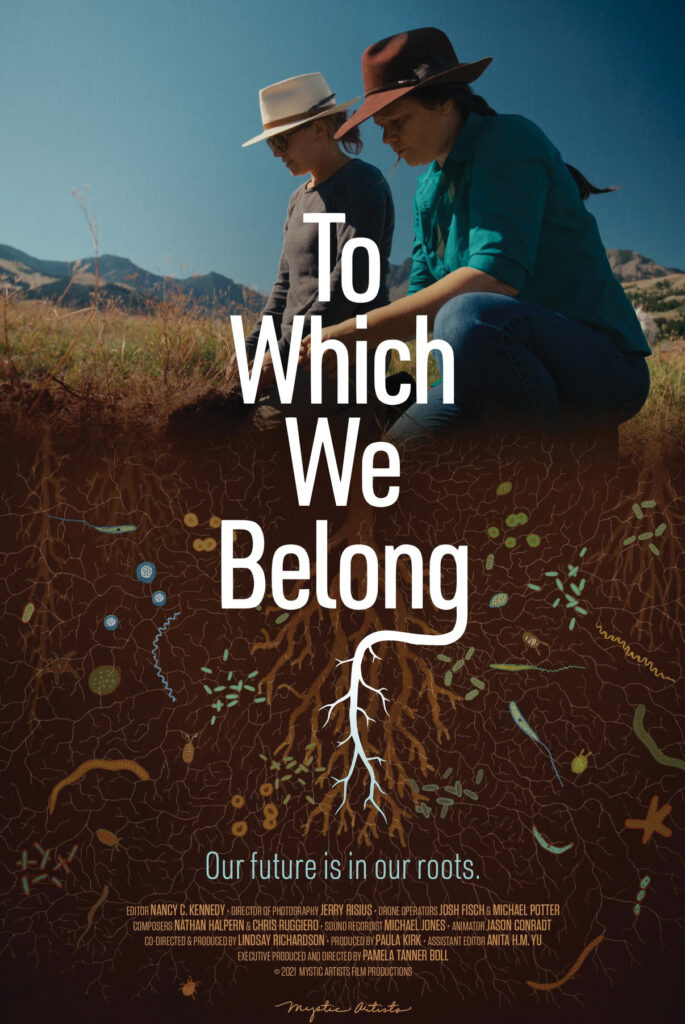
Industrial agriculture is wreaking havoc on the earth, but there are brave farmers and ranchers around the world who are willing to forgo the conventional farming practices that are literally no longer sustainable. The stunning documentary “To Which We Belong” tells their stories.
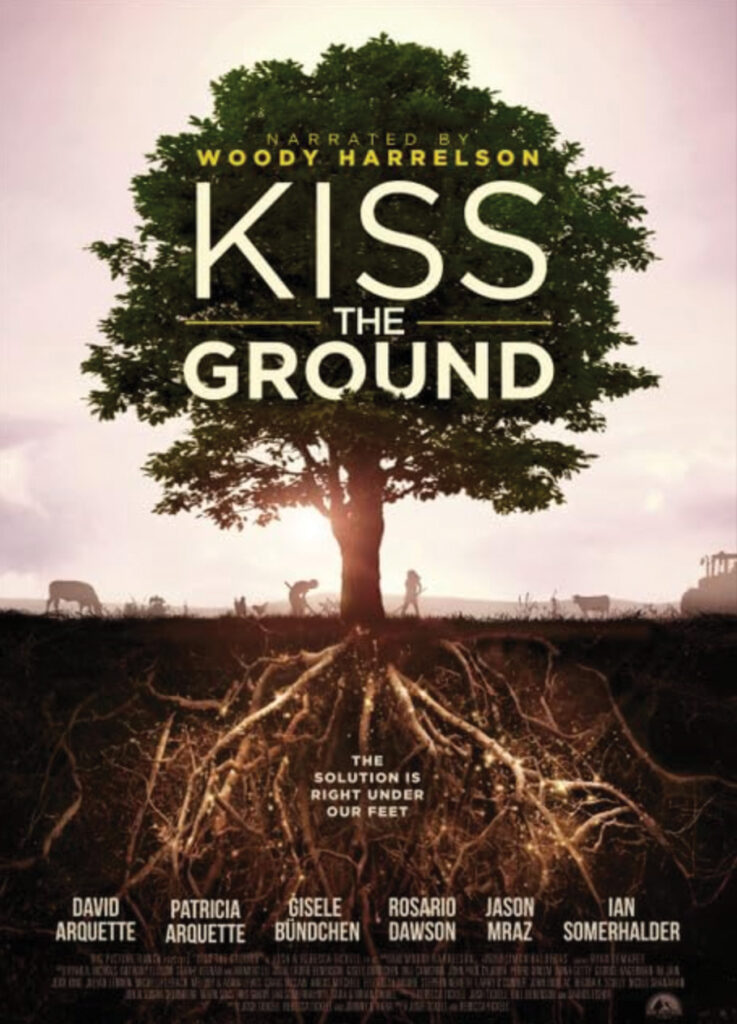
One message rings louder than others in this refreshingly optimistic documentary: It’s not too late. Narrated by the incorrigibly charming Woody Harrelson (who also appears in the film), “Kiss the Ground” illuminates the thesis that regenerating the world’s soils makes reversing climate change possible and, furthermore, will restore ecosystems while producing abundant food supplies.
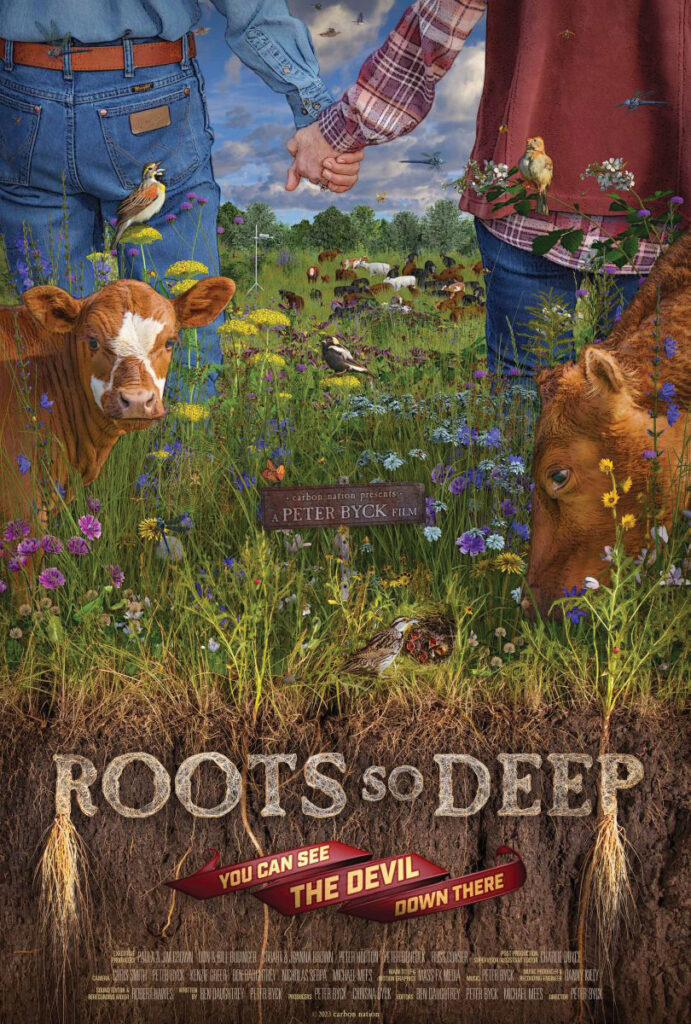
What happens when a team of scientists meet with American cattle farmers on their turf to try to help them heal their land? Everyone learns a thing or two, and from each other. This enlightening four-part docuseries examines the world of adaptive cattle farmers and their conventional-farming neighbors, and how they might find common ground.

Fancy yourself a regenerative farmer but just can’t figure out why your crops aren’t growing like they used to? Want to get rid of those damn aphids the right way? On the informative “Regenerative Agriculture Podcast,” host John Kempf interviews fascinating scientists and growers about their experiences implementing regenerative practices, large- and small-scale.
regenerativeagriculturepodcast.com

Is it possible to make trending topics and news about regenerative packaged goods fun? The “Hey, bud” chemistry between hosts Kyle Krull and Anthony Corsaro of the uber-informative “ReGen Brands Podcast” pulls it off. Pro tip: The website provides a ReGen Brands Recap of each episode, so you can revisit the info you heard with your eyes.
regen-brands.com
A podcast making a big splash among listeners with a penchant for ocean science, “Dive In” offers a rare look underwater at how the National Oceanic and Atmospheric Administration (NOAA) Fisheries (part of the U.S. Department of Commerce) protects and rebuilds endangered marine species and habitats. The inquisitive host John Sheehan, a producer on NPR’s “Fresh Air,” makes these fascinating stories that much better.
fisheries.noaa.gov/podcast/dive-in-with-noaa-fisheries
An award-winning podcast that showcases the plethora of voices behind regenerative farming, the impeccably produced “Farmerama Radio” is set apart by the extent to which it platforms rad and unusual cultural stories, from far-flung Maori no-till vineyards to Black farmers’ markets. The handful of self-contained series from “Farmerama Radio” are must-listens, as well.
farmerama.co
On this solid regenerative agriculture podcast produced in the UK, host ffinlo Costain doesn’t shy away from controversial subjects, including the rewilding movement and the plant-based meat debacle. The interviews and stories “Farm Gate” features are aimed at delivering practical solutions, changing policy and global thinking.
faifarms.com/podcasts
For regenerative farmers and enthusiasts who crave a deeper understanding of the importance of soil and what we can do to protect it, this interactive four-week course (three hours a week) offered by England’s Lancaster University turns anyone into a virtual soil scientist. (It’s not just videos; you get your hands dirty, too!)
futurelearn.com/courses/soils
We highly recommend the course bundles and one-off classes offered by the Soil Learning Center, featuring acclaimed Australian doctors and professors focused on regenerative agriculture (and soil health). And the prices, from $47 to $997, are in Australian dollars — kind of a steal!
soillearningcenter.com/product-category/all-courses/soil-health
The term “holistic” has been co-opted and tossed around for decades, but this five-course bundle from the nonprofit Savory Institute does an impressive job outlining solutions and holistic land management systems in the face of climate change, working toward drought resilience and food security. The bundle includes more than 50 instructional videos with the courses’ very likable instructor Byron.
savory.shop/collections/online-courses/products/foundations-of-holistic-management
This nonprofit’s website is a solid resource with a giant network of international partners that share the mission of transitioning the world toward regenerative food, farming, and land management. It’s a great place to start your research and drum up support for policy change.
regenerationinternational.org
Indie Farmer is an online magazine devoted to sharing stories of regenerative food culture that are more digestible for the average reader who might not have a Ph.D. in soil health. Based in the UK, this indie pub is “redefining tradition and exploring new ways to farm regeneratively and produce real food.”
indiefarmer.com